Why clay soil deserves its own page
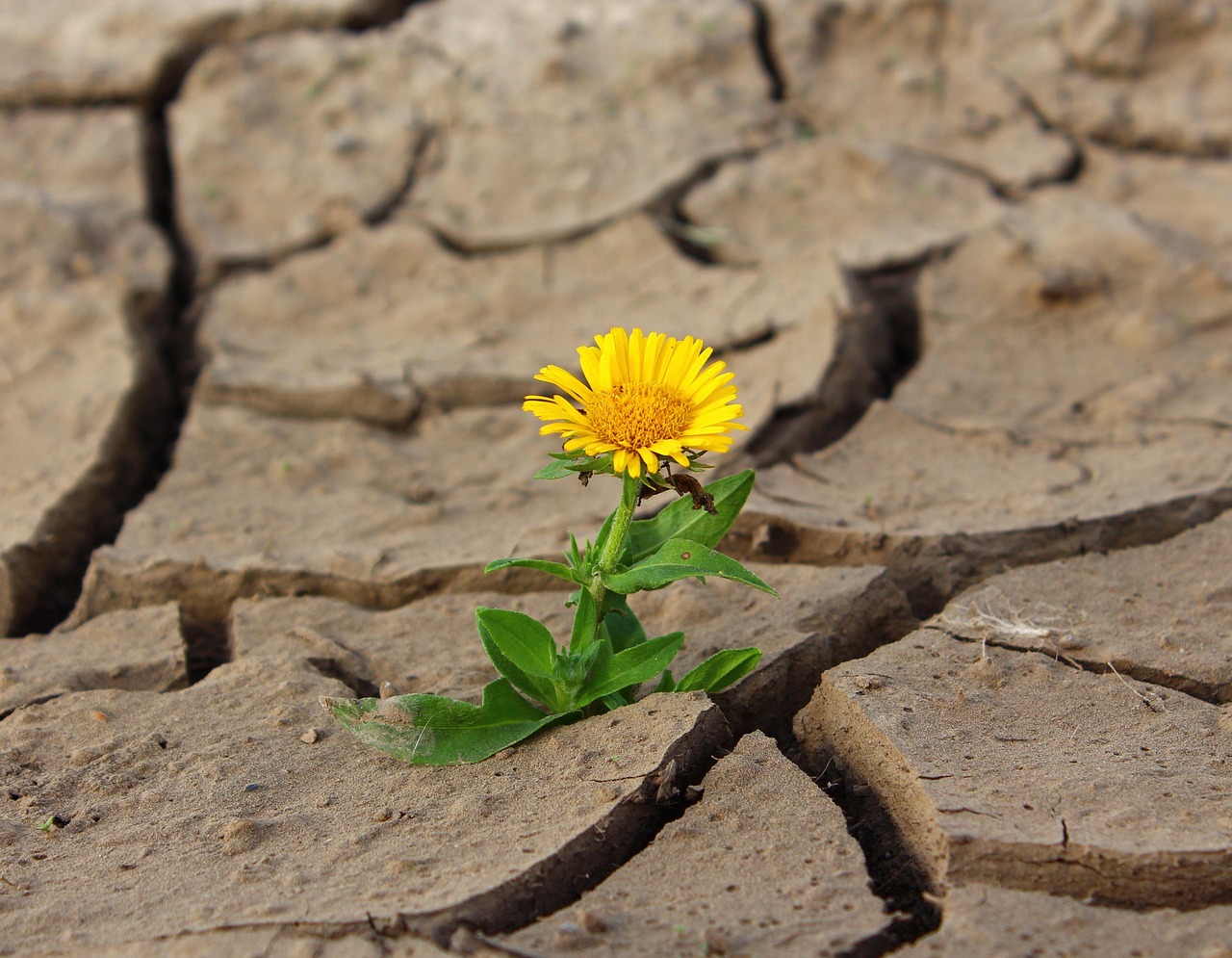
Clay lawns often fail for a double reason: they compact easily and then dry into hard surface stress. That changes how seedlings establish and how roots perform after the lawn enters summer pressure. It also means the usual generic drought page can miss the real problem.
What clay-soil readers usually need
- A shortlist that respects compaction and slow movement through the soil profile
- A realistic answer for whether tall fescue still makes more sense than a warm-season switch
- Links to planting and poor-soil pages because establishment quality matters more on heavy ground
How clay soil changes the shortlist
In mixed climates, tall fescue often holds up because it is the practical cool-season compromise with better drought logic than Kentucky bluegrass. In hotter full-sun yards, bermuda may still be the stronger answer once the lawn is established well enough to handle summer stress and surface hardness.
Best next pages
Most readers should compare tall fescue, bermuda, poor-soil guidance, and planting timing after this page.